Discover the enchanting region of Lombardy in Italy, where stunning landscapes, historic cities, and rich culture await. From the bustling streets of Milan to the serene beauty of Lake Como, find unique experiences, delectable cuisine, and breathtaking architecture. Plan your perfect getaway to Lombardy and explore its hidden gems and renowned attractions.
This article is a free sample of our member-only content and featured in our digital magazine, MilanoStyle Magazine Vol. 1. Read the magazine for free on YUMPU, or order the print or digital magazine on AMAZON. Subscribe to our free newsletter for new article updates and news.
——— Continue for free ———
In northern Italy, Lombardy doesn’t simply sit on the map, it sets the pace. This is the region where Italian industry hums, culture keeps its edge, and nature stages a constant performance: sharp alpine peaks, cinematic valleys, and glinting lakes
that feel almost too polished to be real. Between them rise art cities and small historic towns, handsome and self-possessed, like they’ve been waiting centuries for your arrival.
Come for the masterpieces, stay for the mix. Lombardy rewards the curious. History lovers, design devotees, outdoor types chasing fresh air and clean views, and anyone who likes their travel with a side of tradition and ritual.
Things to See & Do in Lombardy
If Lombardy has two magnetic poles, they are Milan and Lake Como, long adored by the quietly famous and the unapologetically glamorous.
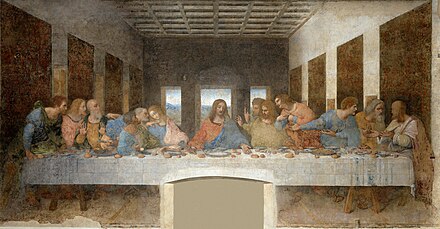
Milan is a fashion capital, but it’s also a city of layers: Roman traces, Renaissance ambition, and bold modern lines, all worn with that Milanese confidence that never needs to announce itself. Start by visiting the Duomo, a gothic fantasia in the heart of the city, and be sure to make time for Leonardo da Vinci’s The Last Supper, housed in the convent of Santa Maria delle Grazie, a work so iconic it still feels
like a private appointment with genius.
Lombardy’s appeal isn’t only stitched in silk and architecture, it’s written into the landscape. Lake Como hardly needs an introduction. The iconic Y-shape, the villas, the light that makes everything look more expensive than it is. For the classic panorama, slip up to Bellagio and let the lake do what it does best: flirt shamelessly
with the horizon.
Keep in mind: Como is only one of the beautiful lakes. There’s Lake Garda, Lake Maggiore, and Lake Iseo, each with its own mood and rhythm, often calmer, sometimes less crowded, always alluring. Dive in fo swimming, sailing, paddleboarding at golden hour, or kitesurfing when the wind gusts.
To the north, the Italian Alps draw a dramatic border, making Lombardy a year-round playground with very good taste. Winter brings skis and snowboards; summer trades snow for rock, trails, and altitude—hiking, climbing, mountain biking, the kind of clean-air exhilaration that resets your whole system.
Then there’s the cultural weight. Lombardy claims the highest number of UNESCO World Heritage Sites in Italy, eleven in total, and its so-called Cities of Art are proof that beauty here is not accidental. In Bergamo, Como, Monza, Varese (and beyond), you’ll move from Roman traces to medieval fortifications to Renaissance treasures,
as if history decided to curate itself—elegantly, and with impeccable timing.
Secret Gems of Lombardy
Lombardy doesn’t just listen to music. It helped shape it—through voice, craft, and the obsessive pursuit of perfection that Italians call art and everyone else calls magic. Nowhere is that legacy more tangible than in Cremona, a city that quietly
rewrote the sound of the world. Less than 90 minutes from Milan, Cremona feels
like a beautifully kept secret with impeccable credentials. Its historic center is dotted with luthiers’ ateliers, where violin making is still treated as a living tradition, not a museum piece.
This is the hometown of legends—Nicolò Amati and Antonio Stradivari—names that don’t merely belong to history, they are history. Step into the Violin Museum and you’ll understand: in Cremona, music doesn’t sit behind glass. It resonates.

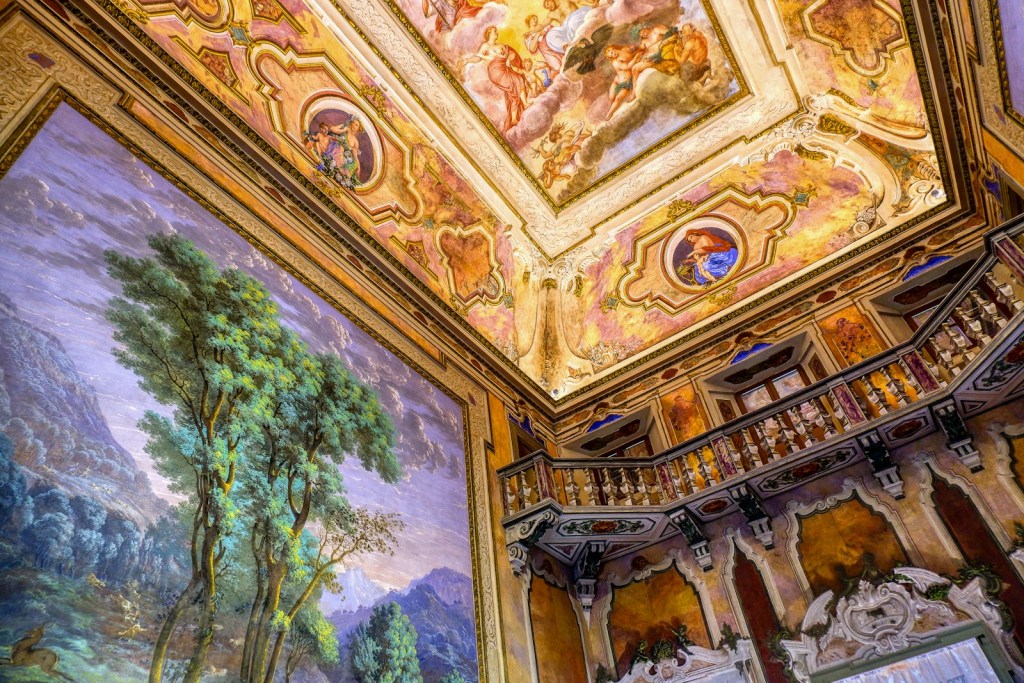
Near Cremona, don’t miss the Pieve di Santa Maria Assunta in Soncino. From the outside it’s quietly unassuming, but step inside and you’re met with a treasure chest of vivid frescoes and paintings that seem to cover every surface, crowned by a blue dome that feels almost celestial. In the Province of Cremona, this is one of Lombardy’s most under-the-radar art treasures. A rewarding and stylish detour from Milan or Cremona.

Lake Iseo is the insider’s choice, anchored by Monte Isola, Europe’s largest lake island: a green rise in the middle of the water with around 2,000 residents and, wonderfully, no cars. From the shoreline Monte Isola looks almost unreal—like a
floating mountain stitched with tiny villages.
The only way to get around Monte Isola is on foot or by bicycle, at slow an easy pace. At the top of the hill, the 13th-century Sanctuary of the Madonna della Ceriola watches over the lake.
Food & Drink of Lombardy
Lombardy’s diverse territory gives life to a rich cuisine where you can find varied delicacies. Each province has a traditional dish, and anywhere you
go in Lombardy, there are particular foods to enjoy.

One of the most famous dishes is Risotto alla Milanese. This Italian classic is a tradition from Milan is made with two key ingredients: Arborio rice and saffron powder. Milan is the capital of another classic Italian dish, the Cotoletta alla
Milanese, a deep-fried breaded veal chop usually served with a portion of French fries.

Lombardy cuisine is also rich in stuffed pasta dishes, such as Casonsei (typical of Bergamo and Brescia) and Tortelli di zucca (typical of Mantua).
Don’t leave Lombardy without trying polenta, preferably in Valtellina or Bergamo. Polenta taragna is prepared with ground buckwheat and cornmeal. Local cheeses like Casera, Bitto and butter give it a creamy texture and makes it hard
to put down your fork.
In a small village near Brescia called Bagolino, you’ll find another delicacy: Bagoss cheese. Its secret ingredient is a tiny amount of saffron added to the curd during production, which gives the cheese its distinctive, natural golden-yellow color, a practice dating back to the 16th century.
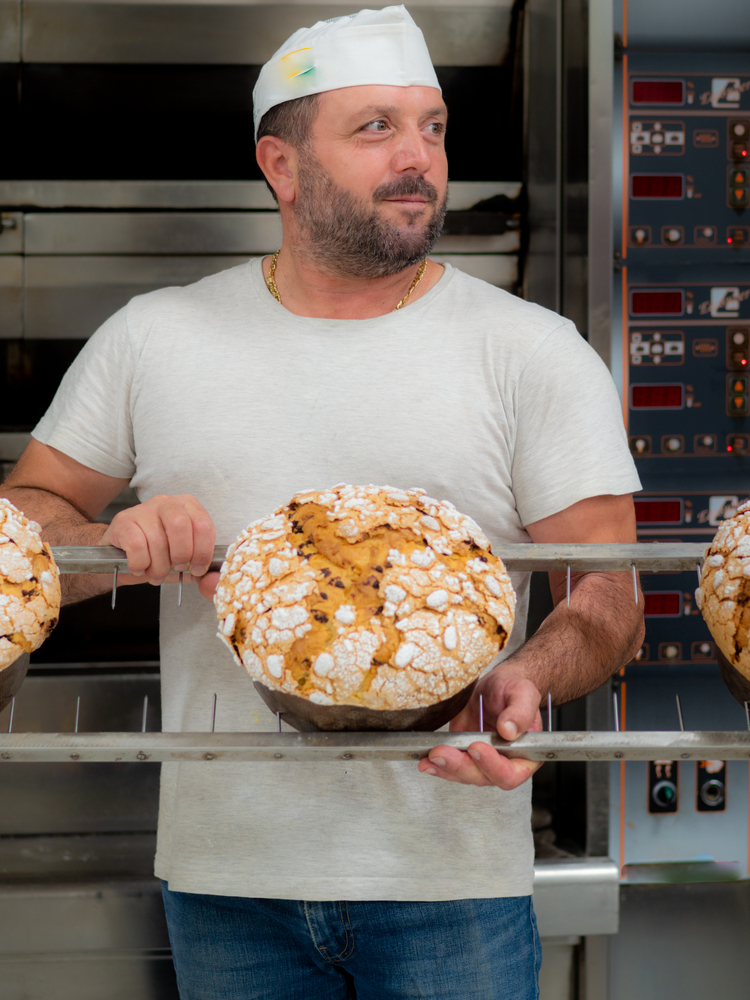
Lombardy is also home to Panettone, served at Christmas. Invented by a Milanese baker in the early 1800’s, it’s a tried and true tradition. Another Italian Christmas favorite is the torrone (nougat), typical of Cremona.
Last but not least, a trip to Lombardy is not complete without trying its wines. The Valtellina Valley is known for its bold reds and Franciacorta, in the province of Brescia produces sparkling wines that prove to be a worthy opponent
against French Champagnes.
How to get to Lombardy
Fly to Milan Linate, Malpensa, or Bergamo airport, each offering a wide range of international and domestic routes that cater to travelers from all over the globe, making Milan a key gateway to Italy.
Milan and major cities of Lombardy feature well-connected train stations that provide a seamless travel experience, allowing visitors to easily explore the stunning landscapes and cultural heritage of the region by train. This convenient transport network enables you to reach charming towns, picturesque villages, and beautiful lakes, ensuring that you can discover the diverse attractions Lombardy has to offer, from the fashion capital of Milan to the serene shores of Lake Como.
Travel to Lombardy by car for an unforgettable experience. You can either rent a car upon arrival or drive from other cities in Italy or even across Europe, thanks to the well-connected autostrada roads that make navigating this beautiful region effortless. The scenic routes through quaint villages and breathtaking landscapes provide a perfect backdrop for your journey. Lombardy, rich in culture and history, invites you to explore its stunning lakes and majestic mountains while enjoying the freedom of the open road. With various rest stops and attractions along the way, your drive will be as enjoyable as the destination itself.
Lombardy awaits! Safe travels and buon appetito!
request a personalized itinerary.
FAQs
What is Lombardy Italy known for?
Lombardy, Italy, is known for its stunning landscapes, rich cultural heritage, and vibrant cities that attract millions of tourists each year. This northern region boasts the magnificent Italian Alps to the north, offering breathtaking views and a haven for outdoor enthusiasts seeking skiing, hiking, and stunning natural scenery. Additionally, Lombardy’s capital, Milan, serves as a global fashion and design capital, renowned for its high-end shopping districts, historic architecture, and world-class museums. The region is also famous for its exquisite cuisine, including risotto alla Milanese and a variety of artisanal cheeses, which reflect the diverse agricultural landscape that Lombardy nurtures. The combination of historical landmarks, art, and culinary traditions makes Lombardy an essential destination for anyone looking to experience the essence of Italy.
Why did Austria lose Lombardy?
historically, Austria lost Lombardy due to a combination of political miscalculations and military defeats during the turbulent times of the 19th century, particularly as a result of the conflicts known as the Italian Wars of Independence. The struggle for Italian unification saw various regional powers, including Sardinia-Piedmont, rallying against Austrian dominance in the region. This culminated in significant battles, such as the ones at Custoza and Magenta, where Austrian forces faced persistent resistance, ultimately weakening their hold. The growing nationalistic sentiments among the Italian populace further fueled the desire for autonomy and self-governance, leading to widespread uprisings that the Austrian administration struggled to suppress effectively. These events showcased not only the shifting power dynamics in Europe but also marked a turning point in the decline of Austrian influence over Lombardy, paving the way for its eventual annexation by the Kingdom of Italy in 1866.
What are the major cities in Lombardy Italy?
The major cities in Lombardy, Italy are known for their rich history, vibrant culture, and significant economic contributions to the country. Milan, the capital, is a global fashion hub and boasts stunning architecture, including the magnificent Duomo and the historic La Scala opera house. Brescia, another key city, features impressive medieval and Renaissance buildings, as well as a thriving industrial sector. Bergamo, with its charming old town perched on a hill, offers breathtaking views and a blend of art and history that captivates visitors. Pavia, known for its prestigious university, showcases beautiful historic sites like the Certosa di Pavia. Overall, Lombardy’s cities reflect a fascinating mix of tradition and modernity, making the region a must-visit destination for travelers.
What are people from Lombardy called?
The people from Lombardy are called Lombardi, people from Milan are Milanese, and the individuals hailing from various other regions of this beautiful northern Italian territory also carry unique identifiers that reflect their local heritage and culture. For instance, those originating from Bergamo are referred to as Bergamaschi, while residents of Brescia are known as Bresciani. Citizens of Como are known as Comaschi, where as residents of Lecco are Lecchesi. This rich tapestry of identities illustrates not only the diverse cultural landscape of Lombardy but also the deep-rooted traditions that each group upholds. Each city’s name evokes a sense of pride and belonging among its inhabitants, celebrating their distinct contributions to the vibrant history of the region.
5 Good reasons to visit Lombardy: Lombardy has exceptional Landscapes and scenery, People, Food, a treasure trove of Art, the Calm of the countryside and the Excitement of the cities.
Search more on Google (highlight, right click and search):
- inlombardia the official tourism
Related
Subscribe to our Free Newsletter
Subscribe to get the latest news, updates, and invitations.
Discover more from MilanoStyle.com
Subscribe to get the latest posts sent to your email.