
Italy is home to the largest variety of olives in the world
In cuisines all around the world dating back to ancient civilizations – specifically, Mediterranean, Middle Eastern, Greek, and Italian – olives have been a revered ingredient.
Italy holds the world record for olive biodiversity, with over 500 registered olive varieties.
Around the world there are thousands of varieties of olives, each with their own unique flavors, appearances, and uses. Obviously in cuisine, but also oil extracted to be used as fuel, medicine, cosmetics, and more.
Like wine, much of the flavor of olives comes from its terroir, or environment. Diverse terrains, varying climates, and more all contribute to the unique flavors, textures, and even colors of olives. Processing techniques vary and can also alter the flavor profiles.
Italians in particular love olives in many forms, not only as a treasured food, but in skincare products.
Here are some of the most popular Italian olives:
Castelvetrano olives
A popular snackable olive in Italy, these are round, bright green, and moderately sized. Grown in the Castelvetrano region of Italy, these olives are actually considered quite sweet and mild in flavor. With a firm, buttery flesh, they’re much less salty and briny compared to many other varieties. This is because Castelvetrano olives are cured with lye rather than salt or brining, which helps eliminate any natural bitter flavor without rendering it salty.
Cerignola olives

The Cerignola olive gets its name from the town of Cerignola, in Italy’s Puglia region. These are excellent table olives. They’re cured in brine and their large size makes them a great option for stuffing.
Cerignola olives are always large. Most often green but can also be black and have a meaty, buttery flesh and mildly tart and buttery flavor. Red Cerignola olives also exist, but they are dyed that hue and do not come by it naturally.
Gaeta olives

Named for the town of Gaeta, these smaller, slightly rounded olives are harvested once they’re fully ripe later in the season, after having turned a purplish-black color. The late harvesting also means that these olives can have a slightly wrinkled appearance, versus firmer-textured, younger olives like Castelvetrano.
Gaeta olives have a tart, almost citrusy taste with the smallest hint of sweetness. Their unique flavor lends itself well to different dishes, specifically pastas and salads. They are cured in brine, which leaves them plump and juicy, or in salt, which enhances the shriveled look.
Liguria olives
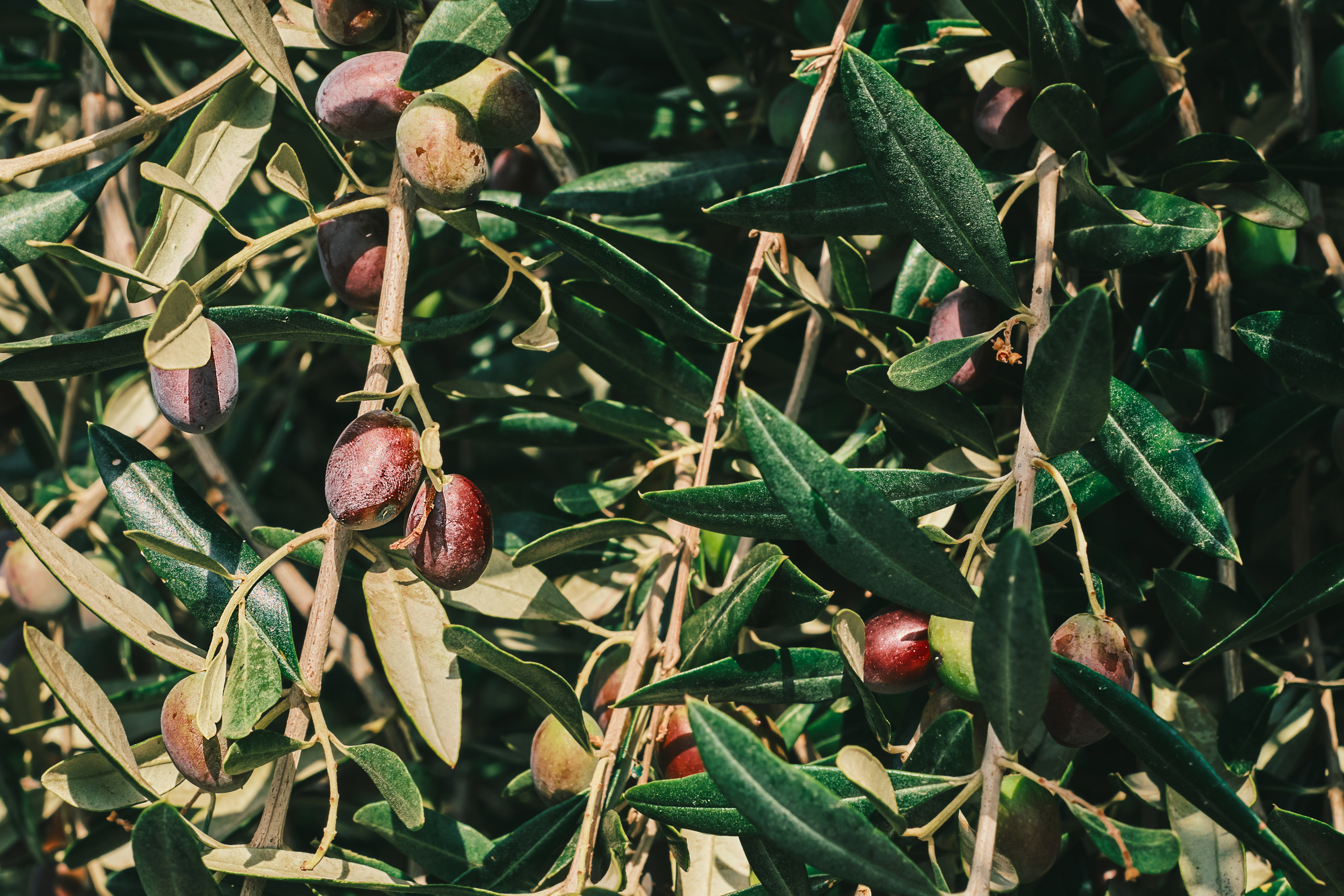
Liguria olives are also known as Taggiasca olives, due to where they grow: the Liguria region or northern Italy, specifically around the town of Taggia. These olives are on the smaller side, especially where table olives are concerned, and have a green and purplish-black color.
Having a fleshy texture and fruity flavor with after-notes of nuttiness, Liguria olives are a favorite for olive oil production as well as in recipes. Their unique flavor lends itself extremely well to high quality olive oil, but also goes beautifully in charcuterie, salads, and meat dishes.
Leccino olives
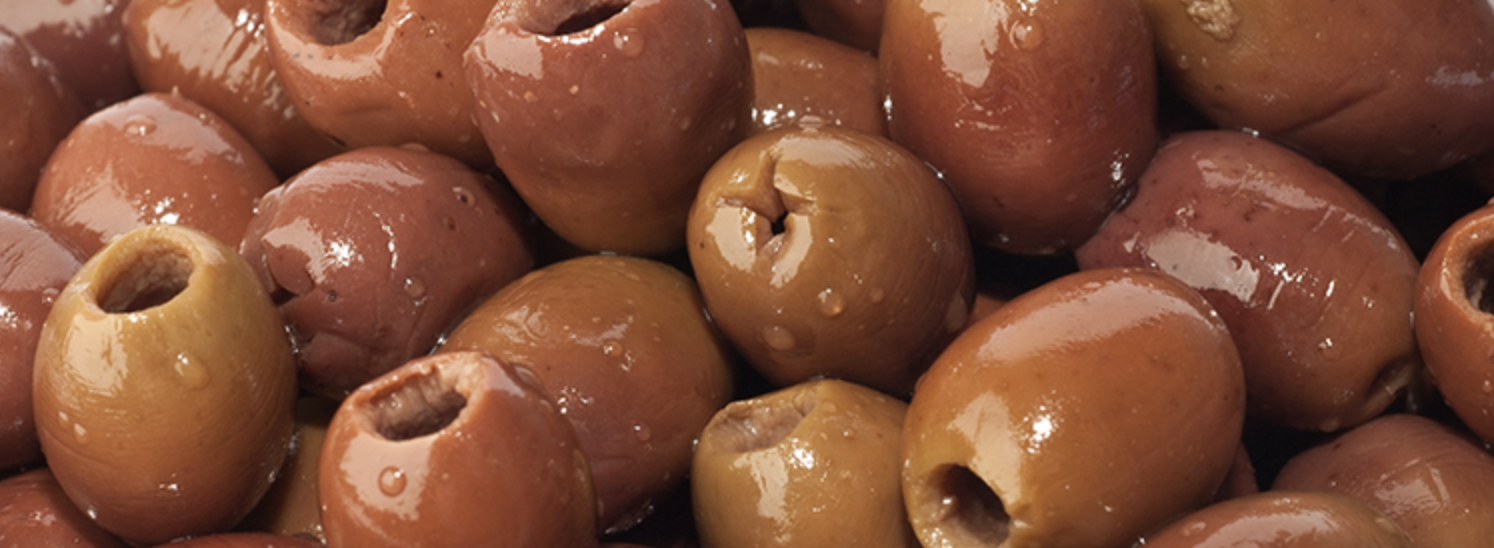
Another olive that’s prized for its oil is the Leccino olive, which is native to Tuscany, Italy. These medium-sized olives are a dark purple or black color when ripe and have a mild, delicate, and slightly sweet flavor. This lends itself to more versatile olive oils, making the Leccino olive more suitable for cooking dishes rather than finishing them or flavoring them.
It’s adaptable enough to use in Tuscan or Mediterranean recipes, as well as enjoyed on its own with charcuterie or light wines or Prosecco.
How ever you enjoy them, the options are endless. Olives are a key staple food in the Mediterranean diet, often praised by health experts as the healthiest way to eat. And if you want to add even more health benefits to your diet and body, consider using extra virgin olive oil.
Trending Products


Tec Italy Lumina Shampoo & Cond...


